- Laser PointersBy ColorBy PowerBy ApplicationBy Wavelength
- Laser Modules
- Laser Sights
- Laser Diodes
- Laser Goggles
- Other Lasers
- Accessories
- Company Information
- Home
- >>
- Blog & News
- >>
- High-power lasers in industrial applications
High-power lasers in industrial applications
Published by David - July 26, 2026
Views: 123
The output power and beam quality of industrial high-power semiconductor lasers have exceeded that of lamp-pumped YAG lasers and are close to semiconductor-pumped YAG lasers. Semiconductor lasers have been gradually applied to plastic welding, cladding and alloying, surface heat treatment, metal welding, etc., and have also made some application progress in marking and cutting.
(1) Laser plastic welding
The semiconductor laser beam is a flat-top beam, and the spatial distribution of the cross-sectional intensity is relatively uniform. Compared to the YAG laser, the semiconductor laser can achieve better weld uniformity and weld quality in plastic welding applications and perform extensive seam welding. The welding applications do not require high power for semiconductor lasers, typically 50 to 700 W, beam quality less than 100 mm/mRad, and spot size of 0.5 to 5 mm. Welding with this technique does not damage the surface of the workpiece. Local heating reduces thermal stress on the plastic part, avoids damage to the embedded electronic components, and better avoids plastic melting. Laser plastic welding can achieve different synthetic colors by optimizing the raw materials and pigments.
Semiconductor lasers have been widely used for soldering sealed containers, electronic component housings, automotive parts, and various plastic components.
(2) Laser cladding and surface heat treatment
Surface heat treatment or partial cladding of metal parts with high wear and corrosion resistance requirements is an essential application of semiconductor lasers in processing. Internationally, semiconductor lasers for laser cladding and surface heat treatment have a power of 1 to 6 kW, a beam quality of 100 to 400 mm/Mrad, and a spot size of 2 x 2 mm 2 to 3 x 3 mm 2 or 1 x 5 mm 2. Compared with other lasers, the advantages of cladding and surface heat treatment with a semiconductor laser beam are high electro-optic efficiency, high material absorption rate, low maintenance cost, rectangular shape of the spot, and uniform light intensity distribution.
At present, semiconductor laser cladding and surface heat treatment have been widely used in electric power, petrochemical, metallurgy, steel, machinery, and other industrial fields and have become one of the critical means of new material preparation, rapid direct manufacturing of metal parts, and green remanufacturing of failed metal parts.
(3) Laser metal welding
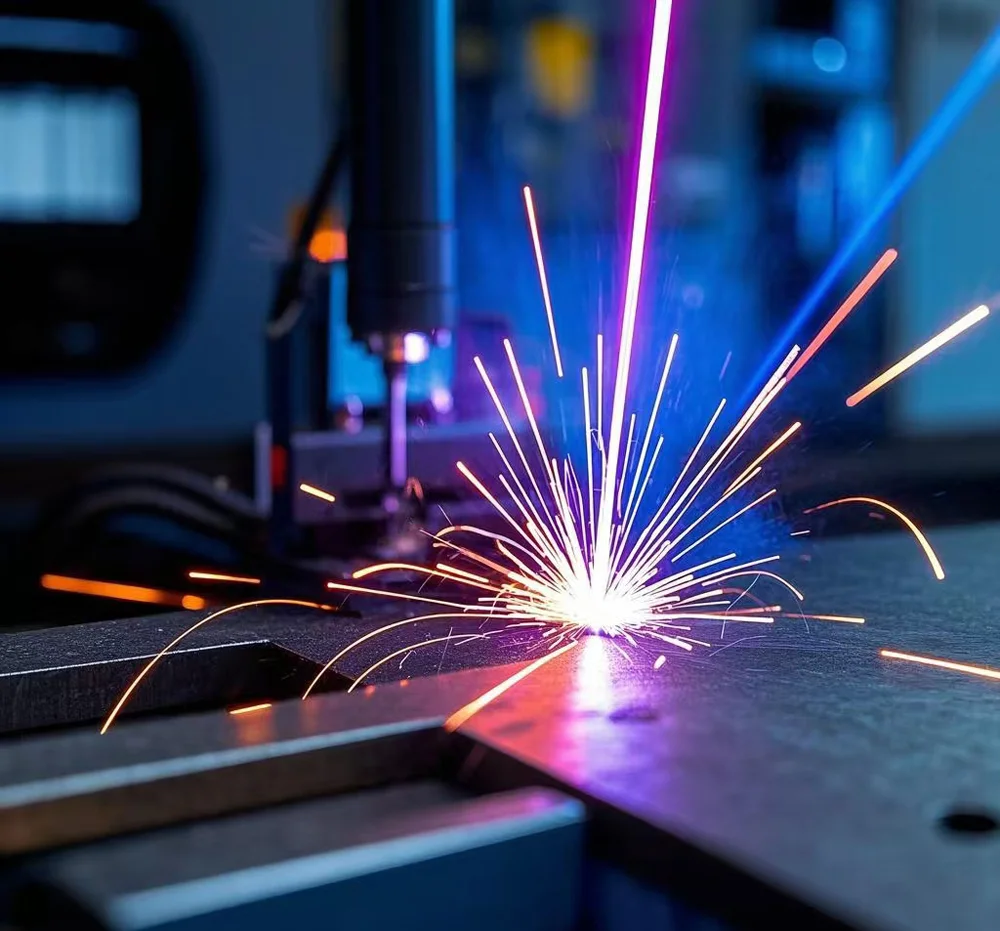
High-power semiconductor lasers have many applications in metal welding. Applications range from precision spot welding in the automotive industry to thermal conduction welding of production materials and axial welding of pipes. The semiconductor laser used for sheet metal welding involves a power of 300 to 3000 W, a beam quality of 40 to 150 mm/Mrad, a spot size of 0.4 to 1.5 mm, and a thickness of the bonding material of 0.1 to 2.5 mm. Due to the low heat input, the distortion of the part is kept to a minimum. High-power semiconductor lasers can be welded at high speeds, and the welds are smooth and beautiful. They have unique advantages in saving labour during and after welding and are suitable for different industrial welding needs. It will gradually replace traditional welding methods.
(4) Laser marking
Laser marking technology is one of the essential applications for laser processing. Currently used lasers are YAG lasers, CO2 lasers, and semiconductor pump lasers. However, with the improvement in the quality of semiconductor laser beams, semiconductor laser marking machines have begun to be used in the marking field. Germany's LIMO has introduced a beam quality of 5mm. Mrad's 50W direct output semiconductor laser and 50μm fibre-coupled output 25W semiconductor laser have met the laser's output power and beam quality requirements for marking applications.
(5) Laser cutting
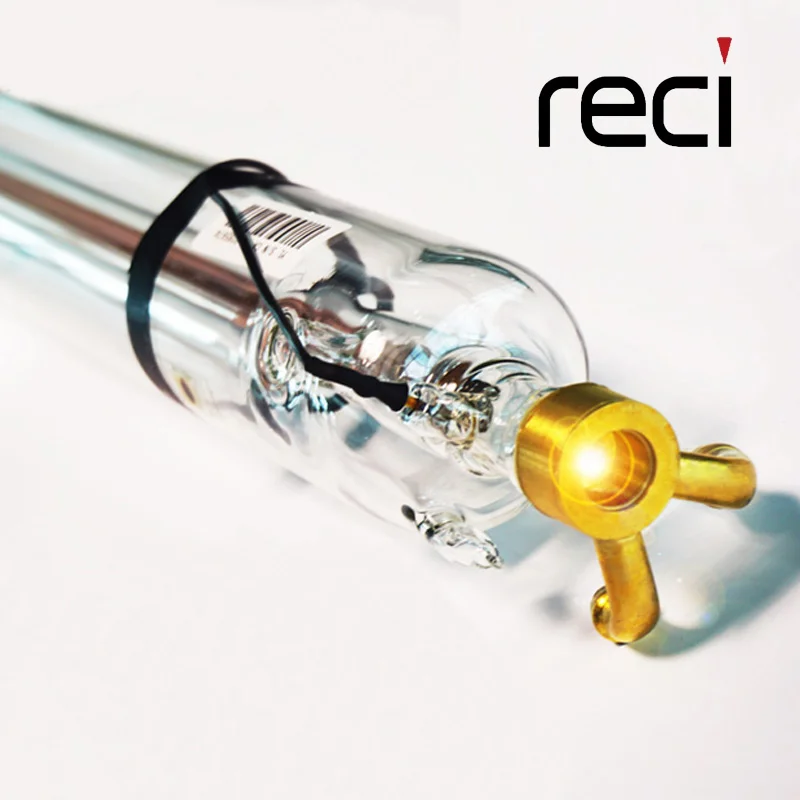
The application of CO2 laser tubes in the cutting field started late. Supported by the German Ministry of Education and Research's "Modular Semiconductor Laser System" (MDS) program, the German Institute of Research and Development developed a semiconductor laser cutting machine with a power of 800W in 1980. This machine can cut steel plates of 10mm thickness and has a cutting speed of 0.4m/min.
In general, high-power lasers are becoming more widely used in the industry. 2025 we will develop many new products to meet industrial customization needs.
-

Blog Categories
-

Popular Articles
-
Related Products